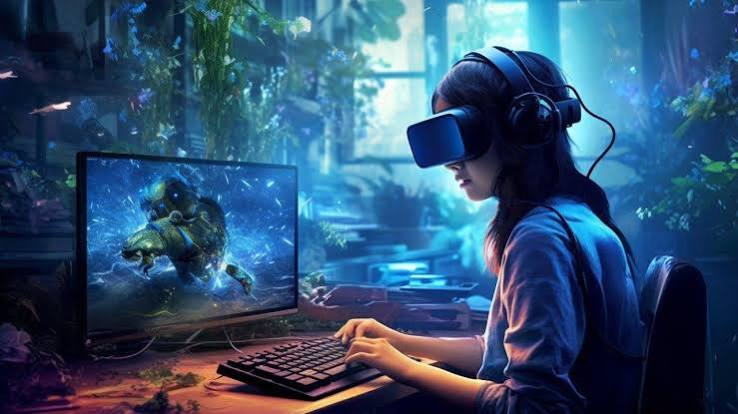

The online gaming industry has transformed into one of the most influential sectors of digital entertainment, connecting millions of players across the globe every single day. Whether people are looking for competitive multiplayer matches, immersive story-driven adventures, or casual mobile games, there are more options available than ever before. While exploring the ever-expanding gaming ecosystem, many users also come across platforms such as Kilau4D as part of the broader online entertainment landscape. As technology continues to advance, online gaming is creating new opportunities for interaction, creativity, and innovation that continue to shape the future of digital entertainment.
The Beginning of the Online Gaming Revolution
The concept of online gaming first gained popularity when internet connections became more widely available. Early multiplayer games allowed small groups of players to compete over local networks or dial-up internet connections. Although these games offered limited graphics and relatively simple mechanics, they introduced an entirely new way for players to experience digital entertainment.
As broadband internet became faster and more reliable, developers began creating larger and more sophisticated online experiences. Massive multiplayer games allowed thousands of users to share persistent virtual worlds, while competitive shooters and strategy games introduced ranking systems that encouraged players to improve their skills.
Today, online gaming has expanded into virtually every genre imaginable, offering experiences suitable for beginners and experienced players alike.
Why Online Gaming Continues to Grow
The popularity of online gaming continues to rise because it provides something unique that traditional entertainment cannot offer—direct interaction. Every game session is influenced by the actions of real players, creating unpredictable and exciting experiences that remain fresh even after hundreds of hours.
Frequent updates also contribute to long-term engagement. Developers release seasonal events, limited-time challenges, balance adjustments, and additional content that encourages players to return regularly. Instead of becoming outdated shortly after release, many modern games continue evolving for years.
Affordable gaming devices, improved internet infrastructure, and free-to-play business models have further expanded the industry’s global reach, making online gaming accessible to people from diverse backgrounds.
Exploring Different Gaming Genres
The diversity of online gaming is one of its greatest strengths. Different genres appeal to different personalities and interests, ensuring there is always something new to discover.
Action games emphasize quick reflexes and fast-paced gameplay, while strategy games reward planning and careful decision-making. Role-playing games immerse players in detailed fictional worlds where character progression and storytelling play central roles.
Sports games recreate real-world competitions, simulation games allow players to manage cities or businesses, and survival games challenge users to gather resources while overcoming environmental obstacles.
Puzzle games, racing titles, adventure games, and cooperative multiplayer experiences continue expanding the variety available to players around the world.
The Social Power of Multiplayer Gaming
Gaming has become far more than an individual hobby. Online multiplayer experiences encourage teamwork, communication, and cooperation among players who may live thousands of miles apart.
Voice chat systems, messaging platforms, and community servers allow teammates to coordinate strategies while building meaningful friendships. Many players remain active in gaming communities for years because of the relationships they develop rather than the games themselves.
Gaming communities frequently organize tournaments, discussion groups, charity fundraisers, and fan-created events that strengthen the sense of belonging among members.
These digital communities demonstrate how online gaming can connect people regardless of language, nationality, or cultural background.
Competitive Gaming Reaches New Heights
Esports has transformed competitive gaming into a professional industry with international recognition. Elite players dedicate thousands of hours to mastering their chosen games while representing professional organizations in global tournaments.
Modern esports events feature professional production quality, live commentary, instant analysis, and millions of online viewers. Championship competitions often offer prize pools worth millions of dollars while attracting sponsorships from major technology companies.
Beyond professional players, the esports ecosystem creates employment opportunities for coaches, broadcasters, analysts, event coordinators, software engineers, video editors, designers, marketers, and journalists.
As universities and educational institutions continue investing in esports programs, competitive gaming is becoming increasingly recognized as a legitimate career pathway.
The Influence of Content Creators
Gaming content creators have become an essential part of the industry’s continued success. Through livestreams, video platforms, podcasts, and social media, creators introduce audiences to new games while sharing strategies, reviews, and entertaining challenges.
Many viewers enjoy watching experienced players improve their skills, complete difficult objectives, or provide educational tutorials that help beginners learn advanced techniques.
Content creation has also enabled independent developers to reach global audiences without relying exclusively on traditional advertising methods.
Community engagement between creators and viewers continues strengthening gaming culture across multiple digital platforms.
Artificial Intelligence Is Changing Game Development
Artificial intelligence is becoming increasingly important throughout the gaming industry. Developers use AI to create smarter computer-controlled opponents, adaptive gameplay systems, and dynamic environments that respond naturally to player behavior.
Modern AI systems also improve matchmaking by pairing players with opponents of similar skill levels, resulting in more balanced and enjoyable competitions.
Machine learning assists developers in identifying gameplay issues, optimizing performance, detecting cheating, and understanding anonymous player trends that guide future updates.
As AI technology advances, future games will likely feature even more realistic interactions and personalized experiences.
Cloud Gaming Makes High-End Gaming More Accessible
Cloud gaming represents one of the industry’s most significant technological innovations. Instead of processing games locally, powerful remote servers handle the demanding calculations while streaming gameplay directly to players over the internet.
This approach allows users to enjoy graphically intensive games without investing in expensive hardware upgrades.
As internet speeds continue improving globally, cloud gaming is expected to reduce hardware barriers while making premium gaming experiences accessible across smartphones, tablets, televisions, laptops, and other connected devices.
The Importance of Cybersecurity in Gaming
As online gaming grows, cybersecurity has become increasingly important. Developers invest heavily in protecting player accounts, preventing cheating, and maintaining fair competitive environments.
Two-factor authentication, encrypted communications, and secure payment systems help safeguard player information and digital purchases.
Players also contribute to online safety by creating strong passwords, avoiding suspicious downloads, and remaining cautious when interacting with unknown individuals online.
Building secure gaming communities benefits both developers and players by creating trustworthy digital environments.
Gaming and Continuous Learning
Many online games encourage players to develop valuable real-world skills. Strategy titles strengthen critical thinking and planning, while cooperative games improve communication and teamwork.
Resource management games teach organization, and competitive environments encourage resilience by motivating players to analyze mistakes and refine their performance.
Creative games that include building systems or user-generated content often inspire problem-solving, artistic expression, and technical experimentation.
Although gaming is primarily entertainment, these experiences frequently contribute to personal growth in unexpected ways.
Looking Ahead
The future of online gaming promises continued innovation driven by artificial intelligence, cloud computing, virtual reality, and increasingly powerful hardware.
Developers are focusing on larger virtual worlds, improved accessibility features, smarter game mechanics, and more personalized player experiences. Cross-platform compatibility will continue expanding, allowing friends to play together regardless of their preferred devices.
As gaming technology becomes more sophisticated, digital entertainment will become increasingly immersive while remaining accessible to broader global audiences.
Conclusion
Online gaming has become one of the defining forms of entertainment in the digital era. Through technological innovation, vibrant communities, competitive esports, and constantly evolving gameplay, the industry continues attracting players from every generation.
Whether someone enjoys strategic competition, cooperative adventures, casual mobile experiences, or immersive virtual worlds, online gaming offers something for everyone. As new technologies continue reshaping the industry, the future of gaming will remain filled with exciting opportunities for entertainment, creativity, collaboration, and global connection.